Your practice should run without you holding it together.
I work with dental principals to build the systems, processes, and foundations that keep a practice running — reliably, consistently, and without depending entirely on you.
You were trained to treat patients. Not to run a business.
Most principals are excellent clinicians running a business they were never prepared to manage. Dental school teaches you to treat patients well. It does not teach you to design a reception system, write a staff protocol, manage a diary, or build the kind of KPI framework that tells you clearly what is working.
So things get patched together. Problems get fixed personally because it is faster than building a process. The practice grows, the patches multiply, and somewhere along the way the principal becomes the glue holding everything together — working evenings and weekends to keep things running.
But the reality is, that is not a failing. It is a systems gap. And it is fixable.
The right systems change this. I have built them, and I know what works.
“The practice grows. The patches multiply. The principal becomes the glue holding everything together.”
A pattern seen consistently across practices in the UK
Building the non-clinical foundation
I work with principals to build the systems that allow a practice to function without depending on the principal's constant presence. Not theory — practical, documented processes that your team can follow and that you can hand over with confidence.
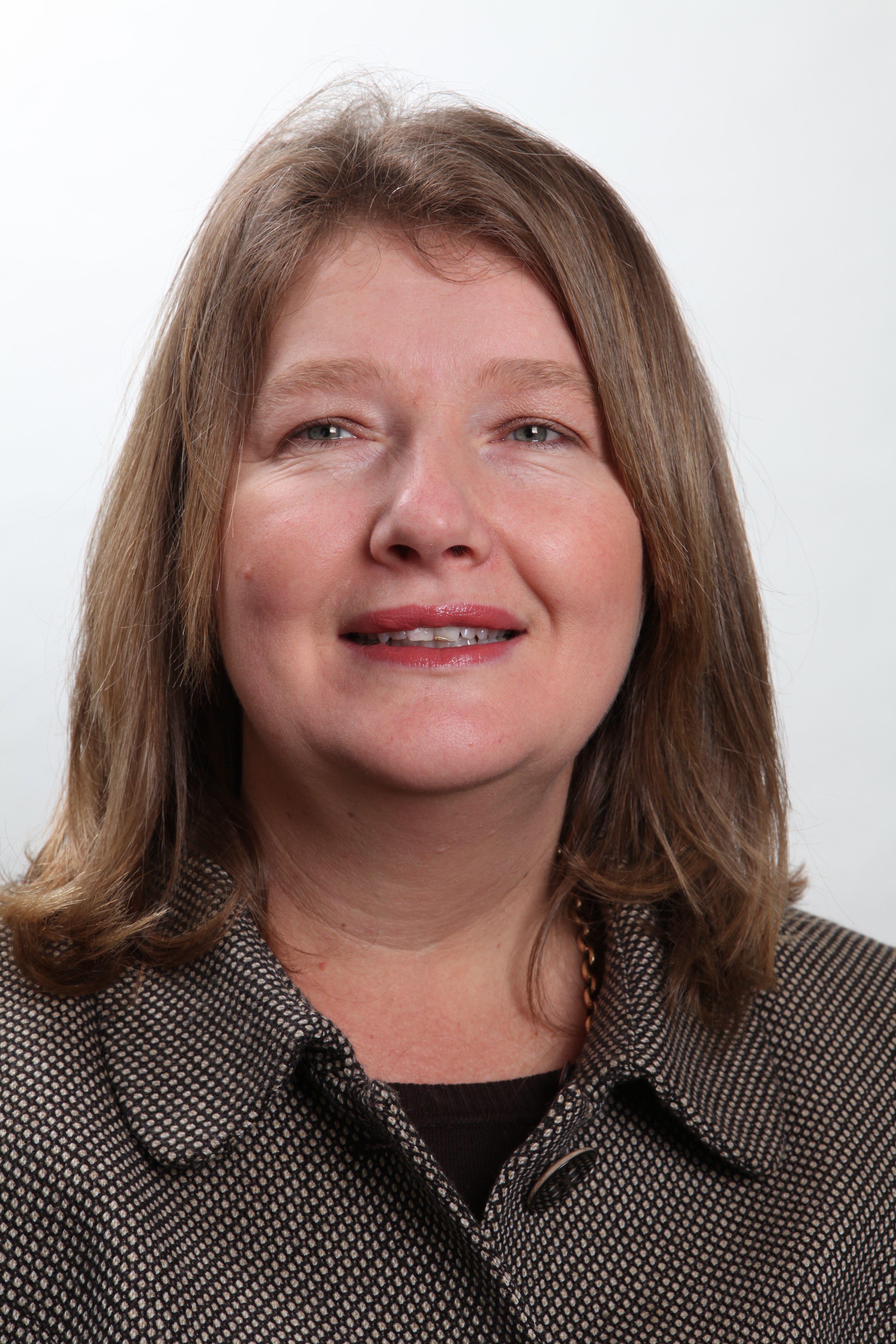
I have done this myself. I co-founded a practice in 1997, built it from nothing, converted it from NHS to private, and exited cleanly in 2019. The systems I help principals build today are the same ones that made that exit possible.
Reception & diary systems
Documented protocols for patient enquiries, diary management, and new patient conversion. The standard stops depending on whoever happens to answer the phone.
Staff onboarding
A structured process for bringing new team members up to speed consistently. No more relying on whoever has time to show them the ropes — and hoping they do it right.
Patient experience
A defined standard at every touchpoint, from the first call to post-treatment follow-up. Built into how the practice operates, not carried by individual personalities.
KPI frameworks
The right metrics, tracked on the right schedule. So you can see clearly what is working, what is not, and where to focus — without guesswork or relying on a gut feel.
The result is a practice that runs on process, not on the principal personally — one that is easier to manage, more consistent for patients, and significantly more valuable if you ever want to step back or sell.
29 years in dentistry. Built it, ran it, sold it.
In 1997, my husband and I opened a squat dental practice in Newbury. We bought a building, refurbished it, and opened as an NHS practice. The first day the phones went live, the answerphone blew up. We very quickly needed a second surgery.
When the NHS changed to UDAs in 2005, we made the decision to convert to private and launched our own membership plan so patients could spread the cost of routine care. That model carried us through the 2008 financial crisis with books that stayed more than 80% full.
We sold in 2019. Cleanly, on our terms. The systems we had built made that possible — and I stayed on to run the practice. When COVID closed the door, not knowing when we would open again, those same systems carried it through under new ownership.
Principals who are ready to fix the foundation.
I work with a small number of dental practice principals at a time. The work is always thorough and the relationship is always direct. If any of the following sounds familiar, it is worth a conversation.
- You have a capable team but no clear systems to back them up
- You are thinking about growth, or beginning to step back from the chair
- You are considering an eventual exit and know the current foundation will not support it
- You are working evenings and weekends to keep things running, and you want that to stop
If that is you, the right starting point is a conversation.
Not sure if this applies to you?
A discovery call is 30 minutes. No charge, no obligation. We look at where your practice is operationally and whether it makes sense to work together.
Recent writing
Practical pieces on the operational problems that do not have a clinical answer.
-
Diary & patient flow
Why your dental appointment diary is never truly full — and what to do about it
Gaps are not random. The four places they come from, and the three lists to run before you spend a pound on acquisition.
-
Systems & processes
You are not doing too much. You are being asked too much.
Overwhelm gets treated as a volume problem. In most practices it is an interruption problem.
-
Membership plans
How we kept the diary 80% full through the 2008 crash
What actually held a private diary together through the downturn, and what transfers to now.
Not ready for a conversation? Start with the audit.
Twelve questions, five minutes, and a score across the six places practices lose control. You will know which section is weakest before you speak to anyone — including me.
No charge. Your total appears on screen straight away, and the six-section breakdown is emailed to you.
Start with a conversation.
A 30-minute call. No charge, no obligation. We look at where your practice is operationally, what the gap looks like, and whether working together makes sense.
If it does not, you leave with a clearer picture of where to focus.
I respond within one working day.
Let's talk about your practice.
Fill in the form and I will be in touch within one working day. Or email me directly if you would prefer.
Thank you — your message is on its way. I will be in touch within one working day.
I will be in touch within one working day. Your details are never shared.